
No Time for the Gym? How to Turn Your Daily Chores into a Real Workout
It’s 6 PM, and the last email finally lands. The office softens into silence. Your shoulders ache, your brain feels foggy, and the thought of squeezing onto a packed MRT makes you want to stay exactly where you are.
The gym is on your calendar… but the couch is calling louder.
This is where most people get stuck. The all-or-nothing mindset kicks in. If it’s not a full 60-minute workout, it feels like it isn’t worth doing. So you skip it, feel guilty, and wake up the next day already dragging.
But busy days don’t mean progress has to stall. You can still build strength, improve mobility, and boost your energy without stepping into a gym.
What this really shows is that most of our day already involves movement. We just don’t recognise it as physical activity. And once you start noticing these patterns, something clicks. You realise your body isn’t just built for gym reps; it’s built for the way you live.
And there’s actually a name for this approach—functional fitness.
What is Functional Fitness?
It’s training your body to move well in everyday life. You’re already doing these patterns daily:
Squatting to pick something up
Hinging while making your bed
Pushing heavy doors
Pulling things toward you
Carrying groceries or bags
Because many of us sit for extended periods, key muscles such as the core, glutes, and upper back often become inactive. That’s when climbing stairs or lifting a suitcase suddenly feels harder than it should.
The good news is that your routine already includes the movements your body needs. What you’re missing is intention, not equipment. Most of us move on autopilot, and this leads to a point most people overlook…
Why Daily Chores Count as Real Exercise
People ignore everyday movement because it doesn’t feel like a workout. But your body can’t tell the difference between a dumbbell and a laundry basket.
Here’s why your chores actually help you get fitter:
1. Your body responds to effort, not equipment
Carrying groceries, climbing stairs, scrubbing floors—your muscles engage the same way they would in a gym training session.
2. Short bursts of movement fire up your metabolism
These movement “snacks”, such as walking the long way to the water cooler or standing calf-raises while waiting for your coffee, raise your heart rate, improve circulation, boost insulin sensitivity, and break up prolonged periods of sitting. Many of these are actually moderate-intensity efforts without you realizing it.
3. It’s easier to stay consistent
Consistency matters more than intensity. Since chores already happen daily, turning them into micro-workouts makes movement automatic and helps you maintain an active lifestyle.
4. You reduce everyday injury risk
Moving with intention such as engaging your core when you stand up, adjusting your posture before you sit, or lifting objects with proper form, strengthens stabiliser muscles, improves posture, and protects your lower back. Small adjustments can make a big difference for anyone glued to a desk. Once you start viewing your day this way, everything shifts. Movement stops feeling like a chore and starts feeling doable.
Let’s look at how to turn the routine moments you already do into meaningful movement.
How to Turn Your Daily Chores into a Real Workout
1. The Active Commute
Your commute isn’t dead time. It’s free cardio and mobility training.
The One-Stop Brisk Walk

Get off one stop early. It gives you a built-in movement window without changing your schedule.
Why it works: Steady 10–15-minute walks boost endurance, reduce stress, and give your brain time to reset.
How to do it: Walk briskly, relax your shoulders, and lightly engage your core.
Level up: If you’ve got a backpack on, gently wake up your upper back by drawing your shoulder blades together for a few seconds at a time.
The "Stair Climb" Challenge

The escalator is convenient, but the stairs are your free lower-body workout.
Why it works: Strengthens glutes, quads, and calves, and helps maintain bone density.
How to do it: Take the stairs at a steady pace and push through your heels to shift work to the glutes.
Level up: Take two steps at a time for more power and hip stability.
The "MRT Balance" Challenge

Standing on the train? This is a prime time to work on your core stability.
Why it works: It wakes up deep stabilisers that get lazy from prolonged sitting.
How to do it: Feet hip-width apart, hand hovering just above the rail, eyes forward. Stay steady as the train moves.
2. The "Supermarket Strongman"
A grocery run feels mundane, but it’s full of strength-based movements if you know where to look.
The Farmer’s Carry

Carrying two evenly loaded bags turns your walk into a core and upper-body exercise.
Why it works: Strengthens the core, shoulders, upper back, and grip. All are important for long-term functional strength.
How to do it: Skip the trolley when you can. Hold two balanced bags, stand tall, and walk with intention.
The "Bottom-Shelf" Deep Squat

Instead of bending over with a rounded back, dropping into a squat protects your spine and trains mobility.
Why it works: Improves hip and ankle mobility and reduces strain on the lower back.
How to do it: Drop into a deep squat, chest up, heels down. Pause for a few seconds before standing.
The "Checkout Line" Bicep Curl

Instead of just waiting, you can get a bit of arm work in without drawing attention.
Why it works: It keeps your arms under tension and improves strength, especially after a full day of sitting at a desk.
How to do it: Hold your basket palm-up. Curl slowly for 10 reps, squeezing at the top. Switch sides.
3. The 30-Minute Cleaning Circuit
These are the small routine cleaning movements you barely think about. With a bit of intention, they stack together into a simple full-body workout.
The "Vacuum" Lunge Track
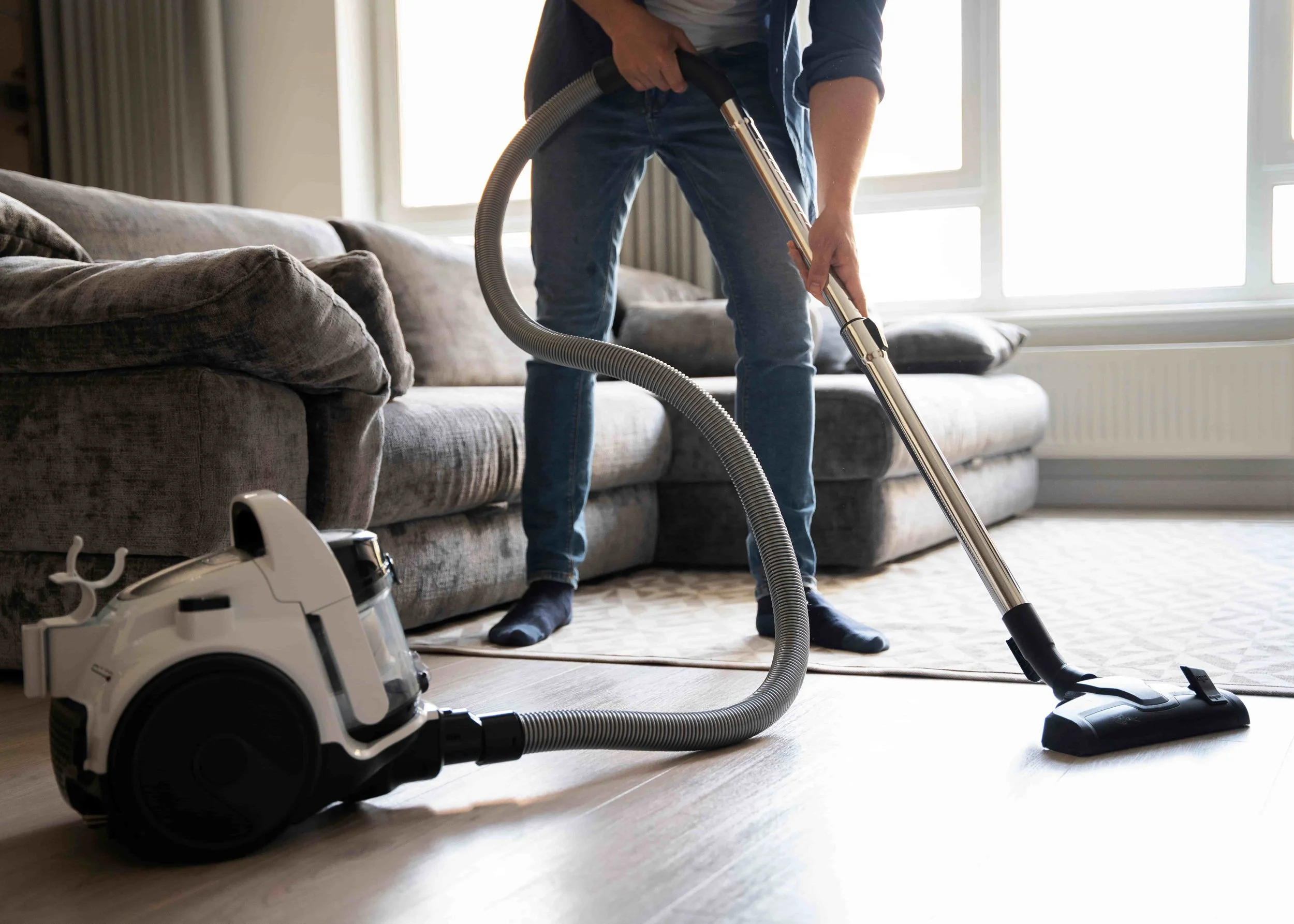
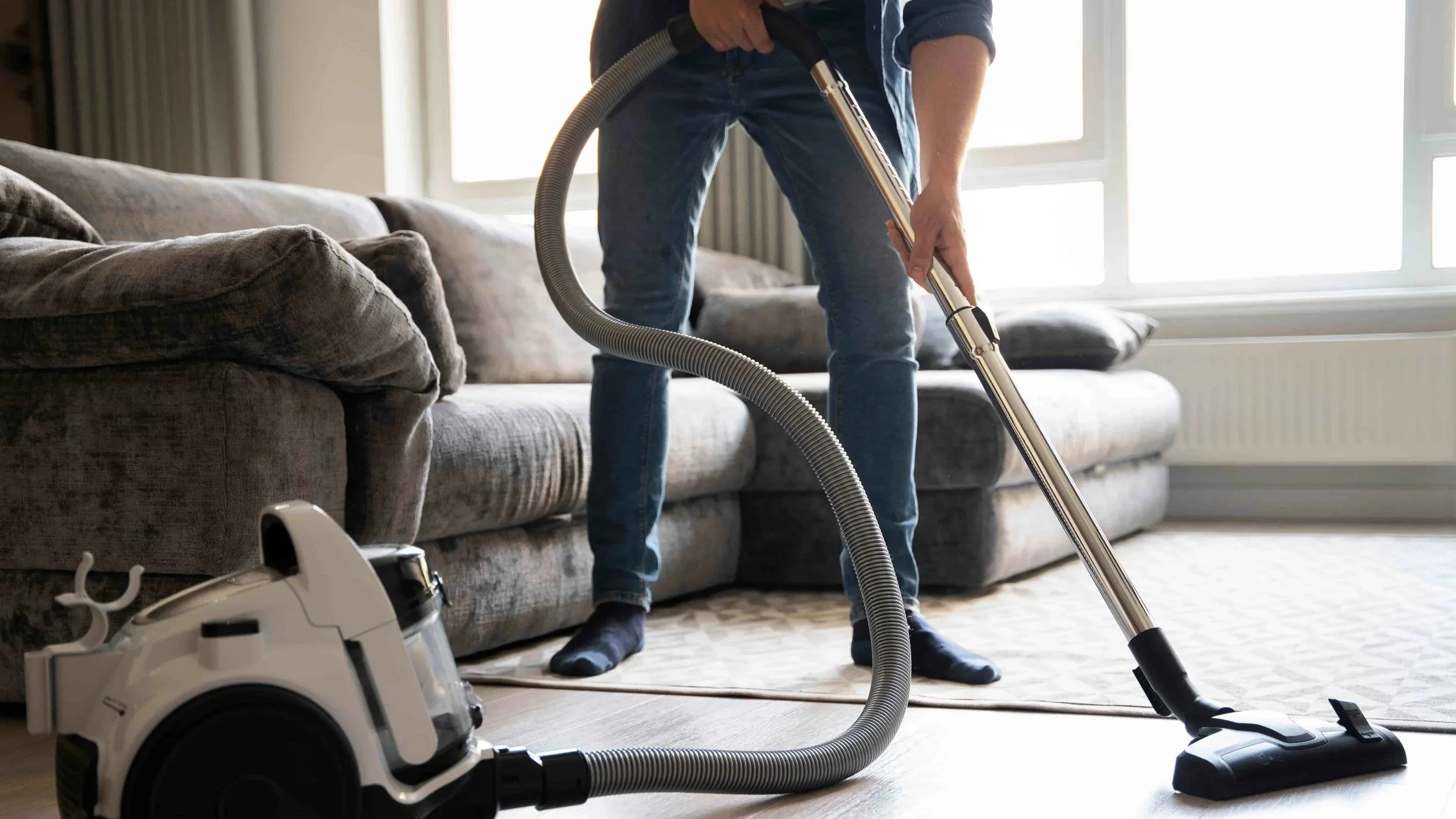
Vacuuming involves walking forward and backward, perfect for turning into lunges.
Why it works: Builds glutes, quads, hamstrings, balance, and core strength.
How to do it: Step into a lunge as you vacuum, lower your back knee gently, and switch legs as you move.
The "Scrubbing" Squat

Perfect for low areas like the tub or cabinets.
Why it works: Protects your lower back and stretches tight hips and inner thighs.
How to do it: Drop into a deep squat, chest lifted, and scrub from a stable position. Rock gently to loosen tight muscles.
The "High Shelf" Overhead Reach

Reaching overhead becomes an effective upper-body stretch when you do it intentionally.
Why it works: Lengthens the lats and obliques and improves overhead mobility.
How to do it: Stand tall, brace your core, squeeze your glutes, and reach with control. Hold for a few seconds.
Beyond cleaning, other household tasks also train your body in ways we don’t usually notice.
4. The Home Chores Power Set
These tasks challenge your body in deeper ways and mimic strength training even without the gym.
The Bathroom Scrub Burner
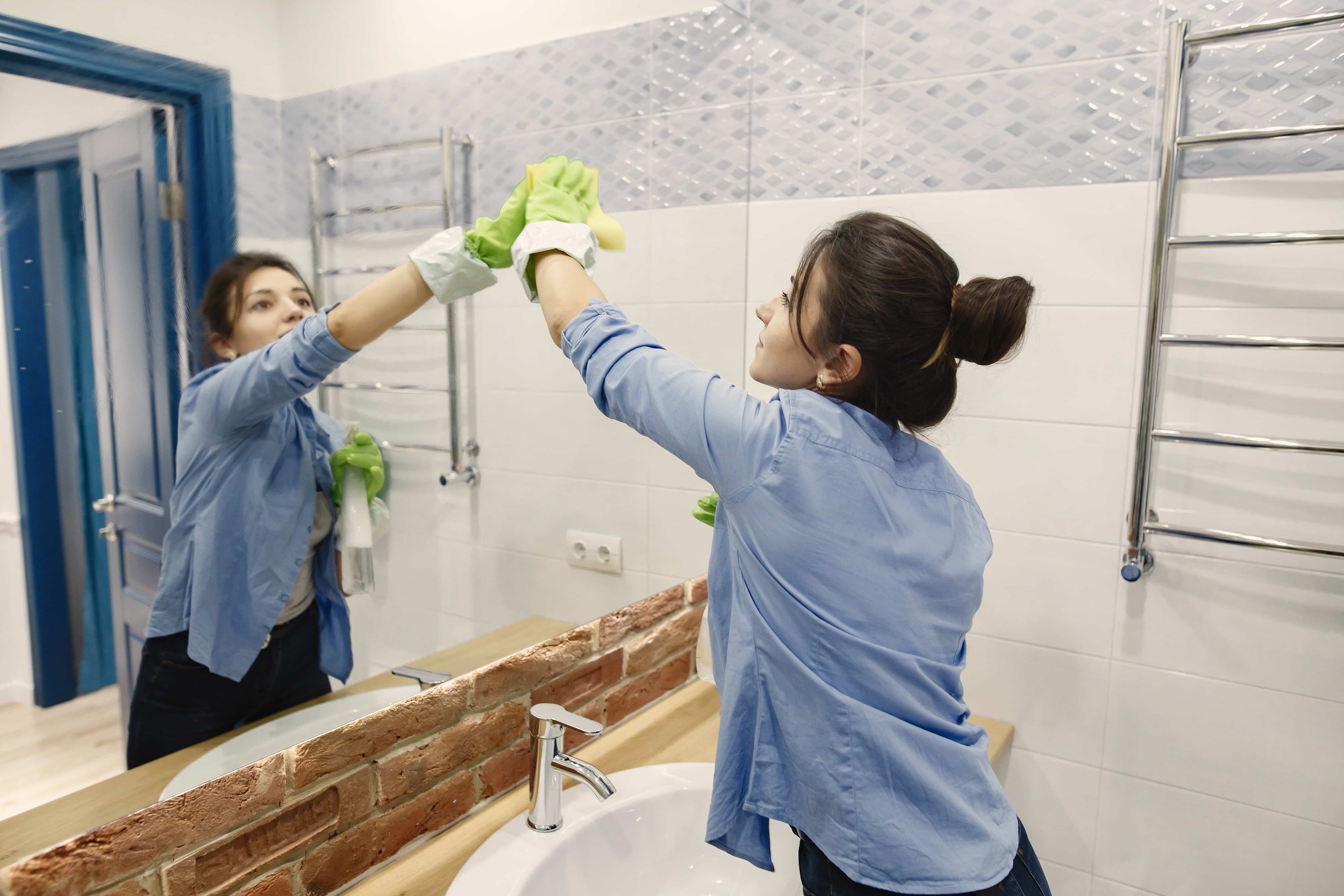
Deep cleaning the tub, walls, or tiles in the bathroom activates your core, back, shoulders, and legs.
Why it works: The combination of reaching, scrubbing, and stabilising mimics functional patterns used in strength training.
The Declutter Carry & Sort

Organizing the house means lifting, squatting, twisting, reaching, and carrying items from room to room.
Why it works: It challenges your grip, core, and lower body while improving spatial awareness and balance.
The Garden Mobility Flow

If you have plants or a small yard, gardening naturally includes squatting, hinging, pulling, and lifting.
Why it works: These movements strengthen the lower body and improve mobility.
The Car Wash Push-Pull

Even something like car washing can surprise you. Scrubbing large surfaces uses your chest, shoulders, and arms, while bending and reaching activates your core and hips.
Why it works: The push-pull motion resembles upper-body exercises used in a gym.
Conclusion: Movement Is Already Part Of Your Life
Your body isn’t waiting for the perfect workout window. It responds to how you move throughout the day.
Your commute becomes a warm-up.
Your errands turn into strength work.
Your chores become mobility training.
You don’t need a full overhaul to feel better — just intention. Tiny, consistent movements add up: better posture, fewer aches, more energy, and a body that feels lighter and stronger.
You can’t control your workload or the MRT crowd, but you can control how you move through the chaos. That’s where strength really builds: in the small, repeatable moments that make up your day.
If you want guidance on building a routine that fits your lifestyle, our personal training program was designed for exactly that. We’ll help you move better, stay consistent, and build strength without the overwhelm. Fill up the form below to get started.
