
Workplace Burnout Is Real: Here's What Leaders Can Do

A team that was once energetic and proactive suddenly becomes quiet. Deadlines slip, meetings feel less collaborative, and employees who previously shared ideas now only contribute when necessary.
For many leaders, the first assumption is a lack of motivation. Maybe the team has become disengaged, or perhaps they just need stricter accountability. But often, the real issue is workplace burnout—and this is where many organizations get it wrong.
Burnout at work is not just about feeling tired after a busy week. In fact, the World Health Organization (WHO) classifies burnout as an occupational phenomenon caused by chronic workplace stress that has not been successfully managed. Employees may gradually start experiencing common burnout symptoms such as low motivation, reduced focus, irritability, and constant fatigue.
As burnout continues, creativity often declines, communication weakens, and motivation drops as employees focus more on getting through the day than contributing at their usual level.
This is why workplace burnout has become one of the biggest threats to productivity and workplace culture in modern organizations. Understanding how it affects teams is the first step toward finding effective team burnout solutions and improving workplace mental health.
Why Workplace Burnout Is More Critical Than It Appears
Workplace burnout isn’t always visible.
A burned-out employee may still attend meetings, reply to emails, and complete tasks. On the surface, everything looks fine. But internally, their energy, focus, and emotional capacity are running low. Over time, concentration declines, collaboration becomes strained, and employees gradually disconnect from their work. These subtle changes are often overlooked even though they are common signs of burnout and early indicators of occupational burnout.
One of the biggest mistakes organizations make is treating burnout as a discipline issue instead of a workload and recovery issue. Burnout does not improve with more pressure. What employees often need instead are clearer priorities, healthier work-life balance, and better support through stress management initiatives.
With the right team burnout solutions and supportive workplace practices, organizations can rebuild morale, improve performance, and create a healthier work environment where employees are not constantly running on empty.
8 Ways Leaders Can Help Burned-Out Teams Recover
1. Stop Treating Every Task Like a “Priority 1.”

One of the quickest ways to burn out a team is creating a culture where everything feels urgent. When employees are constantly jumping from one “high-priority” task to another, their minds never really get a chance to reset. Over time, work becomes reactive instead of intentional, and even productive employees start feeling mentally drained.
What leaders can do instead:
Clearly define what is genuinely urgent.
Reduce unnecessary last-minute requests.
Limit overlapping high-priority projects.
Give employees enough clarity to prioritize confidently.
It also helps to give employees more ownership over how they approach their work. A lack of control is one of the biggest contributors to burnout, so trusting your team to manage their responsibilities in a way that works for them can make a huge difference.
The takeaway: When everything feels important, nothing truly is. Clarity and autonomy help teams focus on what matters most.
2. Break Down Large Projects
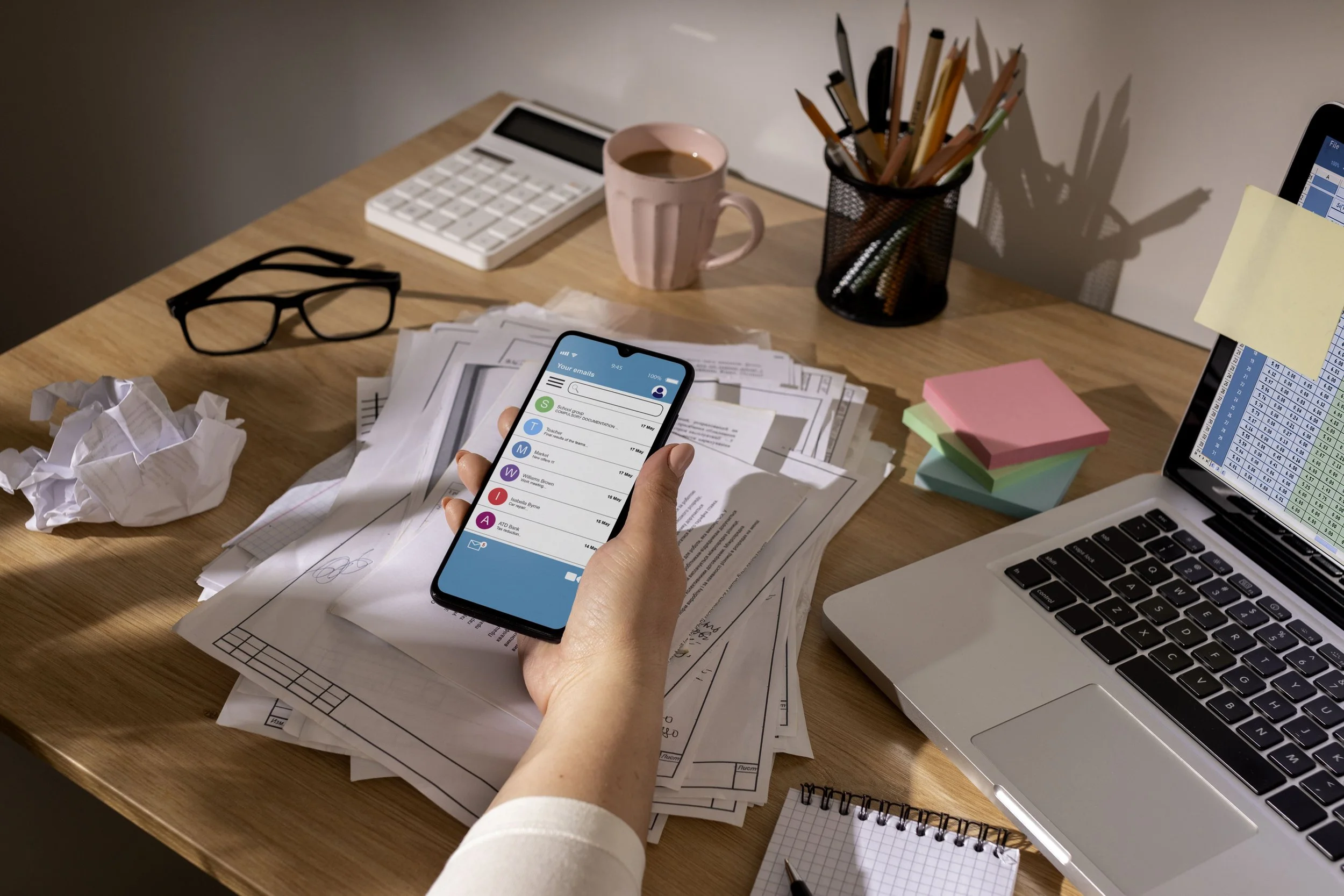
Burned-out employees often struggle to even start tasks because everything feels overwhelming. When energy levels are already low, a heavy workload can feel mentally exhausting before the work even begins.
That’s why breaking projects into smaller milestones matters. Instead of focusing only on the final outcome, help teams concentrate on manageable next steps. Small wins create momentum, rebuild confidence, and make progress feel achievable again.
The takeaway: Focus on the next manageable step, not just the final result.
3. Identify Hidden Energy Drains

Sometimes the biggest problem is not the workload itself, but the systems surrounding it. Endless meetings, slow approval processes, unclear communication, and constant context switching can create significant workplace stress and contribute to ongoing mental fatigue surprisingly fast.
Research shows that constantly shifting between tasks can cost up to 40% of someone's productive time. When employees spend all day jumping from group chat to an email to a Zoom call, their brains are constantly having to restart.
Take a step back and look at your workflows honestly. Ask yourself: “What is making work harder than it needs to be?”
Removing unnecessary friction often improves productivity more effectively than adding more tracking tools or pressure.
The takeaway: Fix inefficient systems before assuming employees are the problem.
4. Align Work with Energy Levels

Not everyone works best at the same time of day. Some employees focus better in the morning, while others become more productive later in the afternoon. Yet many workplaces still expect people to operate at peak performance for eight straight hours, which simply is not realistic.
A more sustainable approach is helping employees align important tasks with their peak energy periods whenever possible.
For example:
Schedule deep work during high-focus hours.
Use lower-energy periods for admin tasks.
Create meeting-free focus blocks.
Avoid stacking mentally demanding meetings back-to-back.
When employees work with their natural energy patterns instead of constantly against them, productivity becomes more sustainable and less exhausting.
The takeaway: Manage energy, not just time.
5. Normalize Taking Real Breaks

In many fast-paced workplaces, employees feel guilty stepping away from work. But skipping breaks rarely improves productivity. More often, it reduces focus, patience, creativity, and mental clarity.
Leadership behavior plays a major role in shaping this culture. If managers constantly work through lunch, send late-night emails, or never disconnect, employees will feel pressured to do the same.
Instead, leaders should normalize habits like:
Taking proper lunch breaks.
Going for short walks.
Logging off at reasonable hours.
Using annual leave properly.
Disconnecting after work hours.
Recovery is part of maintaining sustainable performance.
The takeaway: Rest supports performance. It is not a reward for finishing work.
6. Reduce Decision Fatigue

Modern employees make hundreds of small decisions every day: Which platform should I use? Who needs approval? Should this be an email or a message? Which file version is correct?
By midday, many employees already feel mentally exhausted before they even begin their most important tasks.
Leaders can reduce decision fatigue by:
Creating clearer workflows.
Standardizing recurring processes.
Reducing unnecessary approvals.
Improving communication systems.
Setting clearer expectations.
The takeaway: Simplify small decisions so employees can focus their energy on bigger priorities.
7. Make Wellness Part of Daily Work Culture

Many workplace wellness initiatives fail because they feel disconnected from employees’ actual workdays. If employees are already overwhelmed, wellness programs can easily start feeling like just another obligation. Instead, stress management and wellness should feel practical, accessible, and naturally integrated into the work environment.
This can include:
Short movement breaks during long meetings.
Mental health and wellness workshops.
Team bonding activities.
Stretch sessions.
Encouraging hydration and healthier routines.
Flexible wellness initiatives employees can realistically participate in.
Sometimes the most meaningful wellness practice is simply ending a meeting ten minutes earlier so employees have time to reset before the next task.
At FITFAMCO, we focus on building small, consistent habits that help employees feel more energized, connected, and mentally refreshed throughout the workweek.
The takeaway: Well-being should feel like part of the workday, not another task added to it.
8. Build a Culture Where Employees Feel Safe Speaking Up

Burnout gets worse when employees feel they cannot communicate honestly or feel constant anxiety at work. If people are afraid to admit they are overwhelmed, ask questions, or make mistakes, they spend a huge amount of mental energy constantly monitoring themselves.
Leaders can build stronger psychological safety and improve employee engagement strategies by:
Encouraging open conversations.
Responding calmly to mistakes.
Asking for employee feedback regularly.
Avoiding blame-focused communication.
Recognizing effort, not just results.
Teams perform better when they feel supported instead of constantly pressured.
The takeaway: A psychologically safe environment creates healthier and more productive teams.
Conclusion
If your team seems unmotivated lately, the issue may not be laziness or a lack of discipline. More often, it’s workplace burnout. When employees are mentally and emotionally exhausted, adding more pressure usually does not improve performance. It only pushes people closer to disengagement.
What teams often need instead are clearer priorities, healthier systems, realistic workloads, proper recovery, and leaders who understand that sustainable performance matters more than constant urgency.
Small, consistent improvements in communication, workload management, and employee well-being can make a meaningful difference over time.
At FITFAMCO, we create corporate wellness programs designed for real working environments — from movement sessions and mental wellness workshops to team bonding activities that help employees recharge, reconnect, and feel more energized at work.
If you want to support your team before burnout starts affecting morale, productivity, and retention, fill up the form below to explore wellness solutions tailored to your workplace.
