
Mastering Emotion Regulation: 7 Tips for Better Wellbeing
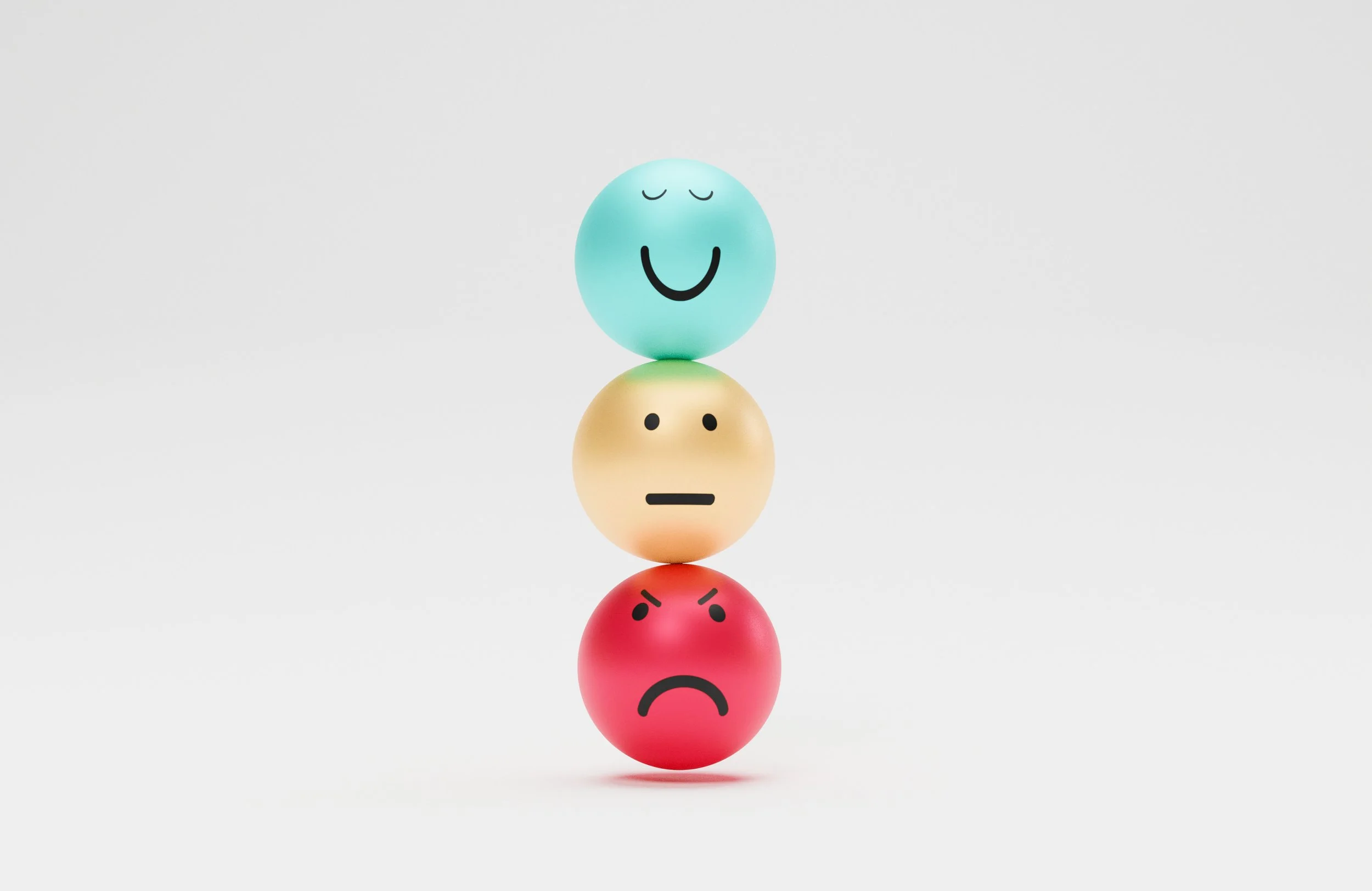
We’ve all had those moments.. snapping in frustration during a meeting, taking feedback too personally, or pulling away after a disagreement. It’s not a sign of weakness, but a sign that our emotions are doing their job — trying to protect us and highlight what truly matters.
Emotions are part of being human. But when they start to run the show instead of supporting us, life (and work) can feel much harder than it needs to be.
Psychologists and the Institute of Mental Health (IMH) note that emotional awareness and response control are key to building mental resilience and overall wellbeing. It’s not about suppressing what you feel, but understanding your emotions and responding in ways that reflect the kind of person you want to be. Learning emotion regulation skills helps you build awareness and balance in how you react to life’s challenges.
In this guide, we’ll walk you through seven emotion regulation strategies to help you master your emotions, manage stress, strengthen resilience, and build emotional wellbeing both inside and outside the workplace.
Why Emotional Regulation Matters
Before we dive into the how, let’s talk about the why.
Emotion regulation is the ability to manage and respond to emotions in a healthy, constructive way. It helps you stay grounded when things don’t go your way, especially during moments that test your patience, focus, or confidence. Developing strong self-regulation allows you to respond thoughtfully rather than react impulsively.
Studies show that people who regularly practice it experience:
Better relationships and teamwork
Lower stress and anxiety levels
Higher resilience and confidence
Stronger problem-solving and leadership skills
These benefits are well-supported, but their impact also depends on lifestyle factors like sleep, social connection, and workplace culture — all especially relevant in Singapore’s fast-paced work environment.
Now that you understand the why, let’s explore the how, simple but powerful ways to strengthen your emotion regulation in everyday life.
1: Name What You Feel

Every emotion starts with awareness. When you can put a name to what you’re feeling — anger, guilt, frustration, or even embarrassment, you activate the rational part of your brain. This shift reduces emotional intensity and helps you feel more in control.
Try this:
Pause and ask yourself:
“What am I feeling right now?”
“Why might I be feeling this way?”
If you’re unsure, use an emotion wheel to pinpoint specific feelings like irritation, anxiety, or disappointment. The more precise your label, the easier managing emotions becomes.
2: Practice the Pause
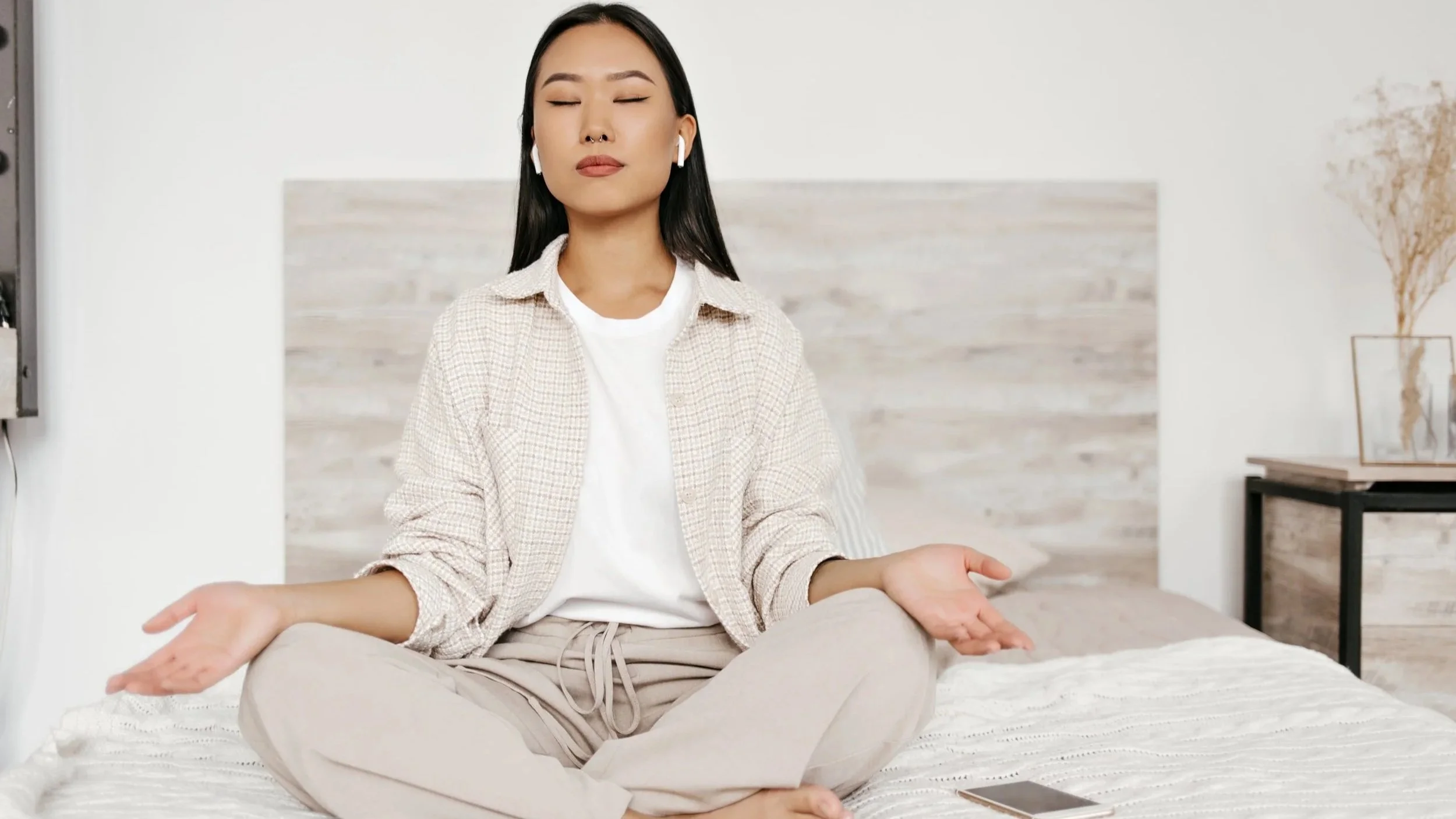
Between every trigger and reaction, there’s a small but powerful space; and that’s where emotional control begins.
When you feel triggered, maybe by a difficult email or a tense conversation, take a mindful pause before reacting. This moment gives your body time to calm down and your logical mind time to catch up.
Try this short pause practice:
Stop what you’re doing and take one slow, deep breath.
Observe your body sensations — tight chest, tense shoulders, clenched jaw.
Name the emotion quietly to yourself.
Choose a response that supports your values, not your impulses.
Even a few seconds can shift the tone of a conversation and prevent regret later. Once you get the hang of pausing, it becomes easier to stay calm. And that’s where mindfulness comes in.
3: Engage in Mindfulness Practices

Mindfulness helps you notice emotions without being swept away by them. It’s not about clearing your mind, but about paying attention on purpose with curiosity and kindness.
A 2021 study by the NUS Mind Science Centre found that mindfulness practices improved emotional well-being among community-dwelling older adults. While the study focused on seniors, the takeaway applies to everyone: mindfulness helps us respond thoughtfully instead of reacting impulsively.
How to start small:
Take a 3-minute breathing break in the afternoon.
Try guided meditations from apps like MindFi, Insight Timer, or Headspace.
During your commute, focus on your breath and surroundings instead of your phone.
Mindfulness doesn’t require perfection, only presence. The goal isn’t to stop emotions; it’s to meet them with clarity and calm. For more ways to bring mindfulness into your daily life, check out our post: Mindfulness & Emotions: How to be Present.
As your awareness grows, you’ll naturally begin to see challenges differently, which brings us to reframing.
4: Reframe Your Thoughts
Your thoughts shape your emotions. Often, it’s not the situation itself but how you interpret it that determines how you feel.
For example:
Thought: “My manager hasn’t replied — she must not like my work.”
Reframe: “She’s probably busy. I’ll follow up later with updates.”
Reframing helps you move from reactive to reflective, turning self-doubt into perspective.
Ask yourself:
“Is this thought helpful or harmful?”
“What’s another way to view this situation?”
Small mental shifts can lead to big emotional relief. And while your thoughts influence your emotions, your physical state also plays a key role in how well you manage them.
5: Support Your Body, Support Your Emotions

Your body and emotions are deeply connected. When you’re tired, hungry, or under stress, it’s much harder to stay emotionally steady.
Research shows that even one night of poor sleep can heighten emotional reactivity, making you more sensitive to stress and frustration.
Here are a few simple habits to support emotional balance and stress management:
Move regularly: Physical activity releases endorphins and reduces stress hormones.
Prioritize sleep: Poor rest affects your mood and decision-making.
Eat mindfully: Steady blood sugar means steadier emotions.
Stay hydrated: Even mild dehydration can make you irritable or fatigued.
Taking care of your body isn’t indulgent, it’s essential. Once your physical foundation is strong, expressing emotions becomes much easier and healthier.
6: Express, Don’t Suppress

Bottling up emotions doesn’t make them go away; it just makes them louder later. Healthy expression allows emotions to move through you instead of staying stuck inside.
Try one or more of these outlets:
Journaling: Write freely about what you’re feeling and why.
Talk it out: Share your thoughts with a trusted friend, colleague, or therapist.
Get creative: Paint, dance, cook. Anything that lets your emotions take shape.
When expressed constructively, emotions can reveal valuable insight into what matters most to you. Like any skill, this takes time and practice. So be patient with yourself.
7: Seek Support When Needed

Some emotions are heavier than others, and that’s completely okay. If you’re experiencing prolonged sadness, anxiety, or anger, seeking professional support can make a world of difference. Counsellors and psychologists can help you understand what’s happening beneath the surface and equip you with tools to feel more balanced.
If you’re looking for someone to talk to or want to learn more about mental wellbeing resources, you can reach out to:
Institute of Mental Health (IMH) Mental Health Helpline: 6389 2222
Community Health Assessment Team (CHAT): for youth mental health support – www.chat.mentalhealth.sg
Samaritans of Singapore (SOS): 1-767 (24-hour hotline) or sos.org.sg
Conclusion
Emotion regulation isn’t about staying calm 24/7, it’s about recovering faster and responding with intention. Over time, labeling, pausing, reframing, and caring for yourself will start to feel second nature.
You can’t control every situation, but you can always control how you respond. And that’s where your true power lies. Because ultimately, you are the master of your emotions.
At FITFAMCO, we believe emotional wellbeing is the foundation of a healthy, resilient workplace. Our mental wellbeing talks and workshops are designed to help employees strengthen emotional awareness, manage stress, and build healthier team dynamics.
If you’d like to support your team’s emotional health, reach out to us today to plan a customized session. Together, let’s create workplaces where emotional balance, empathy, and growth thrive 💛
